



Live sports are known to bring people together and create community spirit. It is a way to meet over a shared passion and to celebrate together, but where there should be unity, some find discrimination and isolation because of a lack of accessibility.
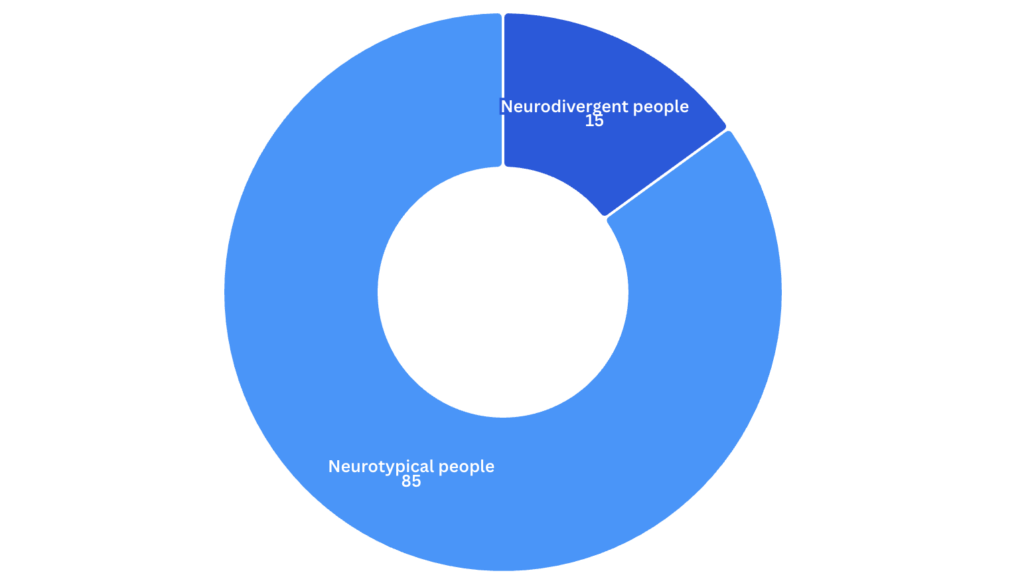
According to the NHS, over 15% of people in the UK are neurodivergent. That is about 1 in 7 individuals whose brains think, learn and process information differently from what is considered ‘neurotypical’. The Liverpool City Council estimated that more than 70,000 people in Liverpool are neurodivergent.
Neurodivergence is a spectrum, which means that experiences will widely differ from person to person.
Some of the best-known neurodivergent conditions are autism and attention deficit disorders (ADHD). They are often invisible conditions, and this poses yet another challenge for accessing support.
Fan experience:
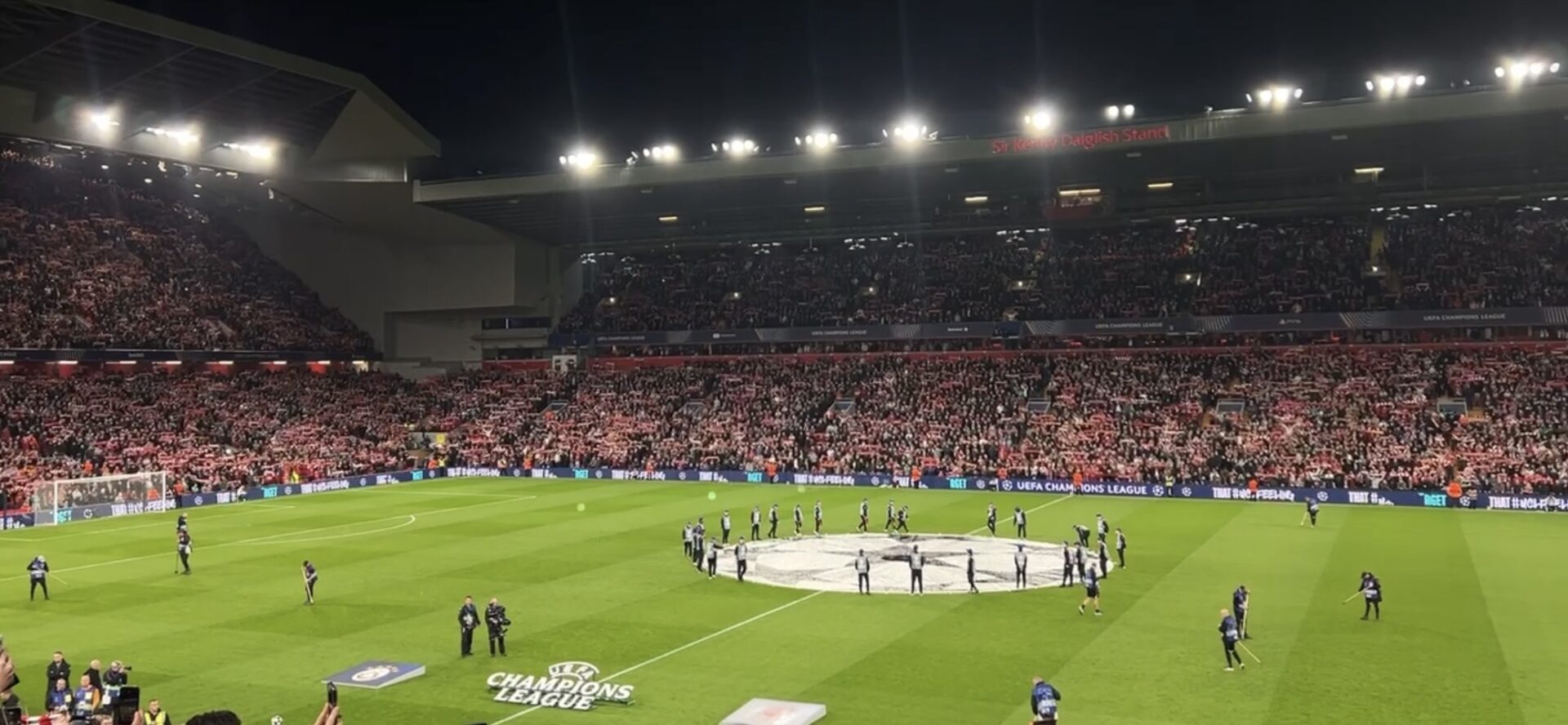
Some fans miss out on the experience of seeing their favourite team playing live because of the anxiety surrounding the matchday atmosphere.
Erin recently decided to go to a hockey game for the first time, and had to think ahead to make sure to be in the best conditions possible:
“I do not usually go because I know that with the constant noise and the crowds, I will just get overstimulated.
“When I booked the tickets, I made sure to be pretty far away from the kop to limit the noise. I also took my earplugs, but I was still anxious I would get overstimulated,” she said.
David, a lifelong Everton fan, has found his own solutions through trial and error to go watch his team play:
“The good thing is to get out early; that’s what I have learnt throughout the years of going (to the stadium).”
He also addressed the lack of inclusivity for people with invisible disabilities:
“The turnstiles are the problem for me; it is very intense. It would be good to have an entrance for people with disabilities, not just for wheelchair users but also for people with other disabilities like me.
“I’ve got autism, so an entrance where it is quieter to get in first, like they do in some places, for people with additional needs would be good so we’re not all trapped together.”
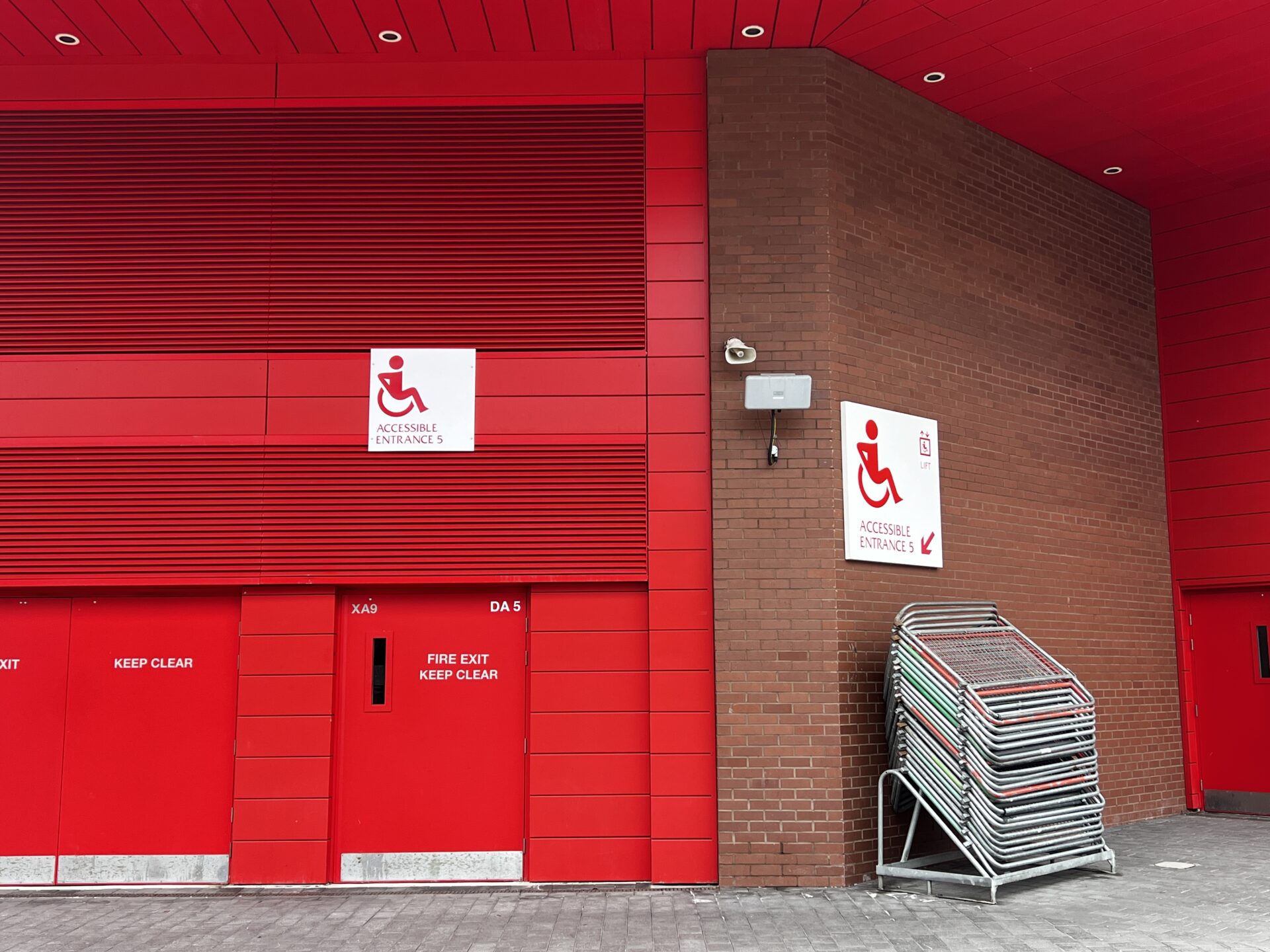
Attending live sport events is a real challenge for people with a neurodiversity, and the lack of adequate support to help them regulate the sensory input that is increased in a live sports setting can participate in their isolation from society.
Fighting isolation:
Psychomotricity therapist Emily Vailliant explained the importance of adaptations in social settings for the inclusion of neurodivergent people:
“People with a disability tend to be socially isolated; they are less included in activities and outings.
“Quite often, they also spend a lot of time with people in a similar situation, in social circles where disability is central. Children in particular will go to school in specific classes, and have packed schedules with specialists and therapy, which gives them less time to spend with other kids their age and kids without a disability.”
Psychological impact:
Ms. Vailliant explained the psychological implications of social isolation, and why the sense of community that comes with supporting a sports team and attending games is crucial for the development of neurodivergent children, and disabled children in general:
“In social psychology, we established that the feeling of belonging to a group is fundamental to growing up and to building self-esteem. Essentially, everyone belongs to several groups and acts to get out of some groups or join others.
“That is why being able to share passions and hobbies like everyone else is so important. It gives them something to share with people from other groups, and gives them a way to socialise and interact.”
Live sports allow people to bond over a shared passion and to build friendships. It also is a source of joy, and gives people a place where they can forget about everyday struggles and have a good time together.
She added: “I work with children, and when they get to go see a game, it is the only thing they talk about when I see them, to me and to their friends. It really becomes ‘their space’, and it is important that they get the chance to experience this and have that opportunity like everyone else.”
More inclusive facilities:
Even if it is not possible to modify the environment without affecting the experience of others, there are solutions so everyone can enjoy live sports.
Stadiums and sports venues are working to improve the experience of all fans, regardless of disabilities and special needs. While there is still room for improvements, considerable progress in accessibility has been made in recent years.
Eva Eelen, who volunteers at the charity for the inclusion of disabled people Daisy Inclusive UK in Everton, said:
“At the new stadium (Hill Dickinson), they have a sensory room. They are starting to have them all over the country now.”
A sensory room is a space specially designed to provide a controlled and immersive sensory experience. It can be beneficial for people dealing with sensory processing challenges, disabilities, or specific therapeutic needs.
Ms Eelen underlined how important such facilities are to allow everyone to access and enjoy live sports:
“Imagine if you were a mother or father who wanted to go to the match with their child, and the child was on the spectrum. If the child gets overwhelmed, then you as a parent cannot watch the match either. If you could go to a room like that, then everyone could enjoy the match.”
Finding the right solutions:
Clare Hall, manager at Daisy Inclusive UK, added:
“There are different things that you can do. A lot of people would wear ear defenders to block out a lot of the crowd noise.
“You do get assistance as well: you get a lanyard and can specifically ask for that. A lot of people do not really know that you can do this, so it is important to let people know what is available to them.”
To get information about what accessibility options are available, you can check your venue’s website for specific stadium facilities. In Liverpool, you can find this information here for Liverpool FC and here for Everton.
(Featured image by Elsa Wiedfeld)