


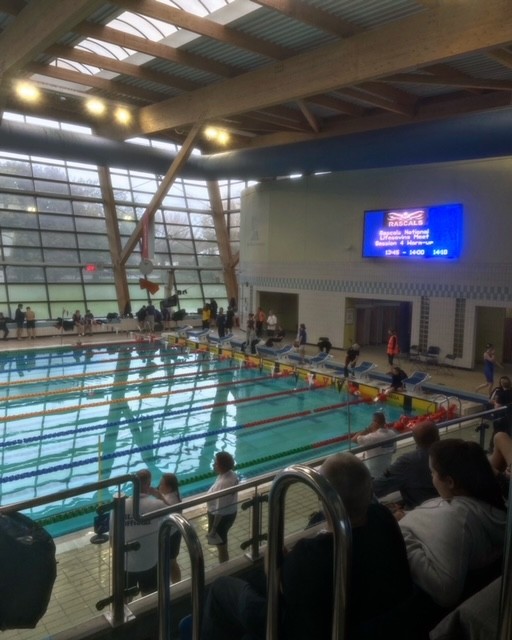
Surf lifesaving dived into action this week at the Wavertree Aquatics Centre, where the RASCALS swim meet marked the first pool competition of the national season.
Hosted in the 50m Olympic pool, the event brought together some of Britain’s most promising swimmers, setting the pace in preparation for the British still waters in April.
For Merseyside, the meet was more than just an opener – playing host to several international athletes, who have competed in previous World and European championships.
It also hosted the Norwegian national lifesaving team for the first time in the event’s history. As a result, it was a statement of the region’s growing impact in setting the foundations for the next generation of British surf lifesavers, and beyond.
Lifesaving, which is known as ‘SLS’, has evolved from a coastal safety incentive into a developing sport that blends skill, competition and endurance.
While its primary roots lie in beach rescue related exercises, the sport now thrives on a mix of pool and ocean based events, designed to test every aspect of lifesaving.
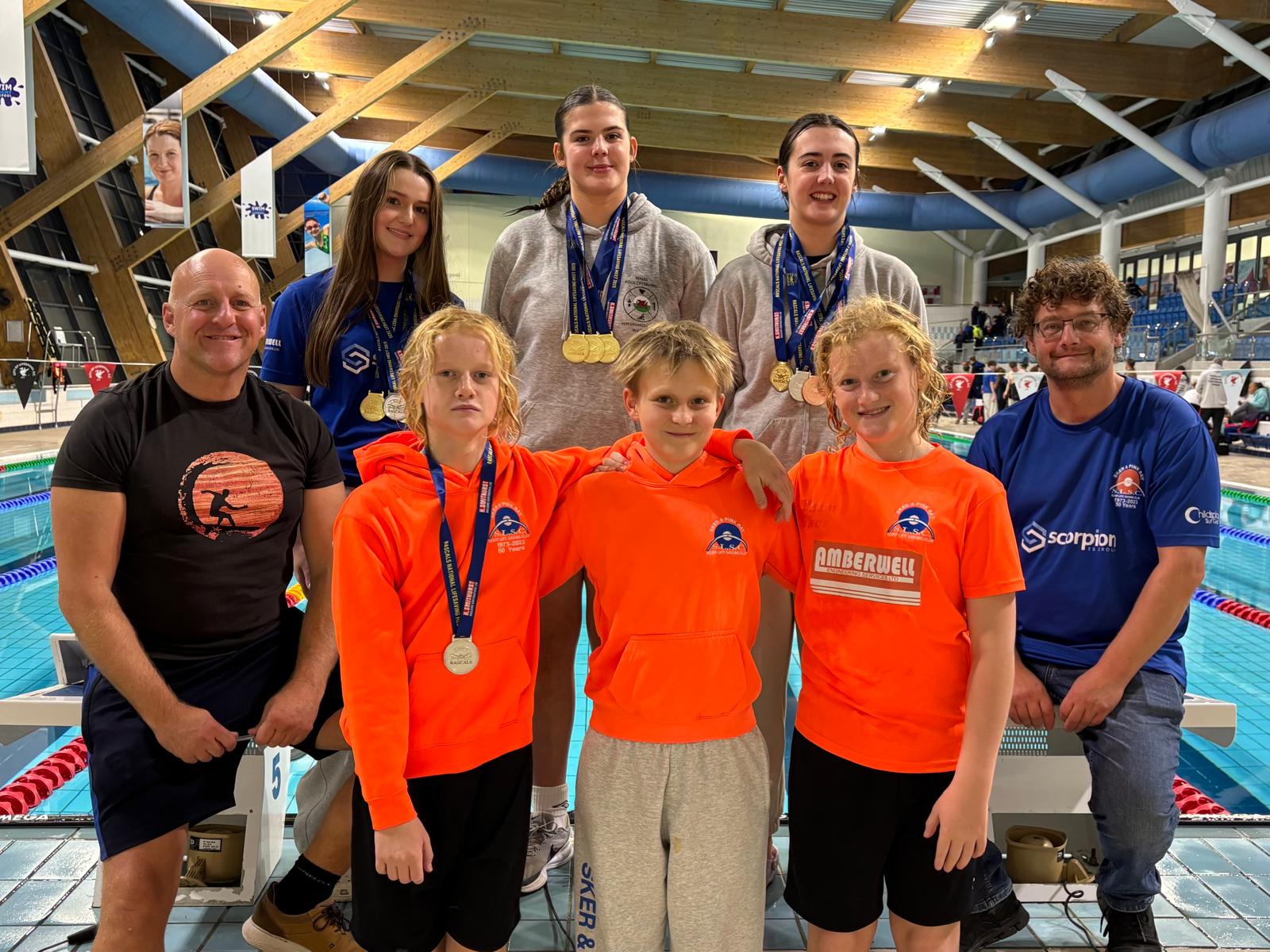
The event hosted by RASCALS also drew competition from across the UK, with Welsh based club Sker and Pink Bay lifesaving club making the journey to Merseyside for the second successive season.
Their presence added more depth to a quality field with head coach Steven Williams applauding the standard that was on display.
He told Mersey Sport Live: “Racing has been at a very high level, this weekend. I think it is the best quality of racing that I have seen in this competition, which is so early in the lifesaving calendar.
“Usually, it takes people time to get their times down so that they can peak for nationals in April, so the standard this weekend has been eye-opening, which hopefully marks signs of what’s to come going forward.”
Reflecting on his club’s performance in the event, Williams added: “As a club, Sker have done very well. One of our main positives has been Isabella Daly’s performances this weekend.
“She won the 100m Ladies Super Lifesaver event, which is the ultimate test in the pool. To beat the likes of Heather Watson, Emily Dobson and Eve Hickman, whom are all older girls competing to be involved in the British team, she has done very well.
“But in general, we only brought a small team of six in total and despite this, everybody competed hard and a few PBs to take home is obviously a big bonus.”
The competition programme featured many challenging events. Amongst them included the 100m Manakin tow, where competitors swam 50m equipped with fins and a tube, before retrieving a submerged manakin, clipping it securely and completing the race through a sprint-styled tow to the finish.
Shorter events that challenged different energy systems included the 50m manakin tow, but excluding the use of fins and a tube, this event demanded raw speed and power alongside precise technique to emulate rapid rescue situations.
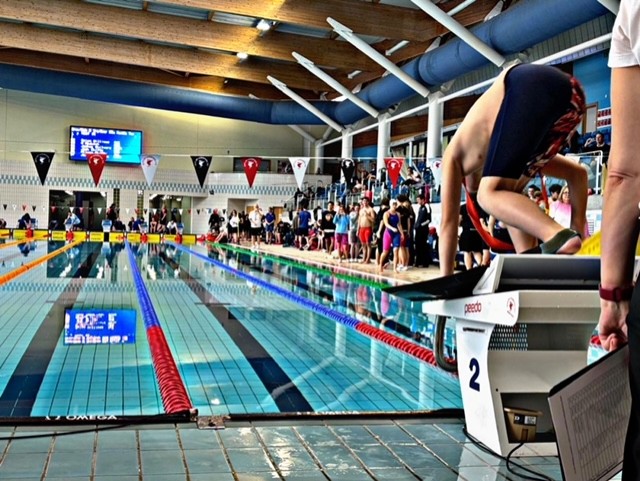
Williams also commented on the state of British lifesaving and how different clubs across the country carry different skillsets to the international stage, based on accessibility to beaches and pools.
He said: “If a team like RASCALS, who are based in Ripley want to do a beach session, it’s harder for them to go. When we go to Cardiff for a pool session, it’s an hour run so this difference in accessibility shows in these competitions.
“However, a promising sign for the sport is that more people in the North of the UK are becoming better in the pool and people in the South are getting stronger in the beach disciplines, so it makes for a positive future for the sport, here in the United Kingdom.”
Aside from a big spectacle of racing in Merseyside, it was the host club RASCALS who set the tone claiming an astonishing 37 medals across the weekend of racing.
Based in the Northwest, the Merseyside-based club continued to reflect their wealth of experienced coaches as well as access to swimming facilities, with a strong line of results. In addition, they further showcased the rising young talent for the future, with the side mirroring their hard work during the off-season for the campaign ahead.
Overall, pool success on display in Merseyside during the winter months is testament to a successful foundation of hard work and effort. However, the performances of the RASCALS and their competitors did not disappoint.
Personal bests were claimed, medals were acquired and targets were also set ahead of bigger competitions on the horizon. If Wavertree was any indication, what’s around the corner could mark one of the strongest seasons yet for British lifesaving.