





The public perception on horse racing is “changing” according to expert Dene Stansall, following the death of another horse at Aintree Racecourse.
Lady Motivator had to be put down after breaking a leg in a race on October 26 but Stansall, horse racing consultant at Animal Aid for 25 years, believes people are slowly turning their backs on the sport.
He said: “It’s a slow process but the public are changing. I get people emailing me all the time saying they’re no longer supporting it.
“Racing is going to have to adapt otherwise it will go without a doubt.
“Years ago in the Sunday papers you’d get pictures of the winning horse at the Grand National, but since Animal Aid’s campaigning we’re getting covers about horses dying.”
Horseracing is a tradition like no other – and to some that’s exactly why it should cease to exist.
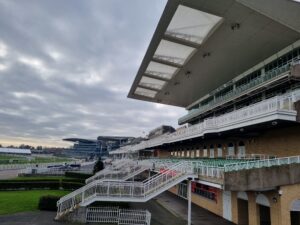
Since records began in 2007, 75 horses have died on Aintree Racecourse, making it one of the deadliest venues for a horse to compete at in the country.
Although renowned for it’s yearly Grand National Event in April, Stansall, 67, stresses that other events throughout the year can also be costly for the animals.
He said: “It’s not only about the Grand National, other races are held there in the year.
“There’s about six race days a year, so for that number of horses to die in that period is probably the worse of all the race courses.”
These safety concerns have led to a rise in campaigners fighting back against exploitation. Animal Aid have championed animal rights since 1977 are one of the largest organisations protesting to end the use of animals in entertainment.
Stansall has seen first-hand the cut-throat nature of horse racing, having previously been a fan of the sport.
He said: “Originally I was a very keen enthusiast for horse racing, I saw Red Rum run in the 70’s. I was a very big supporter of racing.
“But I saw horses dying in front of me and nobody said anything. No lamenting or looking into why horses died, it just continued as usual.
“I had a moral lightbulb moment and jumped the fence to the other side and started campaigning for horses because nobody else was doing it.”
Since then, he has gone on to write scientific papers, co-authored books on sports management and even spoken in Westminster about the abuse to horses and won’t stop until there’s a change.
He said: “It’s all consuming and full time. I’m well into retirement age now but because there’s a need it’s always ongoing.”
According to Stansall a major issue surrounding animal welfare in horse racing is the fact that the industry is self controlled.
While it remains like this, the safety of the horses is the responsibility of those who race and maintain them.
He said: “Horse racing itself is self regulated. They decide how many times you can whip a horse, they’ve decided that 200 deaths of horses in a year on British courses are okay.
“They don’t have to answer to anyone but themselves and that’s why it’s important the media take this on because otherwise it would go unreported.”
Animal Aid make sure not let these issues go unrecognised, and complete a multitude of different acts to insure the public know of the brutalities within horse racing.
Whether it be protests, political lobbying or conducting interviews for the media- the message that horse racing must stop is made clear all year round.
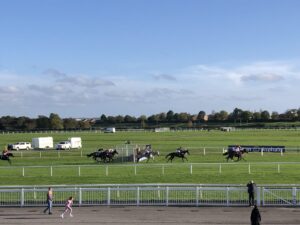
Credit Merseysportlive
And it’s working too. As the horse racing industry battles against declining attendances and falling betting turnover, Stansall believes it’s a race that could very soon be run.
In a report conducted by MerseySportLive, research found that 67% of race-goers believe that horse-racing is “somewhat unethical”, and 84% of attendees bet at least £10 while spectating. To help stop horse racing, it is people like this that Stansall believes should take action.
Stansall said: “Don’t attend races and certainly don’t bet on horses. The industry without betting wouldn’t be able to survive, it’s the betting industry that finance the races.
“If you’re more motivated you can visit the Animal Aid website and we’ve got a horse racing area with more information.”