






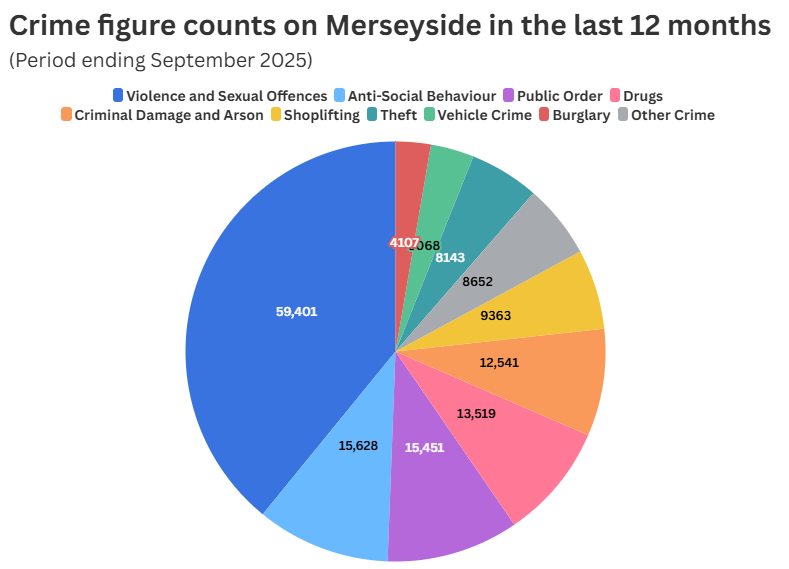
The Merseyside Police and Crime Commissioner has announced a new set of community-led initiatives in order to protect neighbourhoods and reduce crime and antisocial behaviour.
Working with Merseyside Police’s Hotspot Policing initiative, the scheme launched by Commissioner Emily Spurrell will create sports-based interventions in key areas, aiming to encourage young people to become more active.
These interventions include active sports such as dance and boxing, as well as creative and therapeutic activities such as drama and outdoor learning.
Projects like this one aim to reduce the amount of crime and antisocial behaviour on the streets by engaging young people and supporting families whilst aiming to create long-term change within the community.
Spurrell said: “This funding is about more than tackling antisocial behaviour, it’s about investing in the future of our communities.
“By supporting innovative, community-led projects we’re creating safe, inspiring spaces where teenagers can grow, connect and thrive, while also making those areas safer, nice places to live.”
Sports have been deemed as an effective way to reduce the amount of crime and reoffending in accordance with a report conducted by the College of Policing in 2023.
The report suggested that sports programmes help to be a protective factor against criminal development, satisfy sensation-seeking tendencies rather than resort to crime, provide social learning from coaches and act as a physical diversion from crime.
This programme is focused on areas on Merseyside, with the Wirral, Knowsley, St Helens and Garston highlighted.
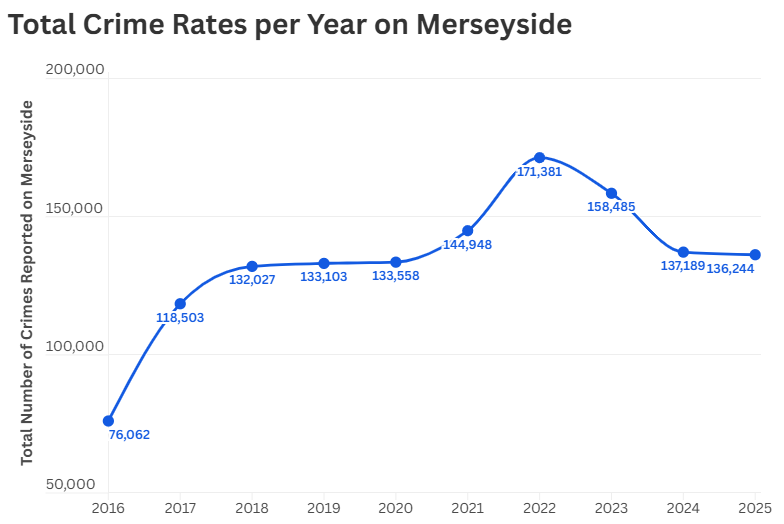
Last year, another project invested over £400,000 into these hotspot areas to prevent crime – and it led to a 28.8% drop in serious violence, a 1.9% reduction in antisocial behaviour, 300 arrests and 40 offensive weapons seized.
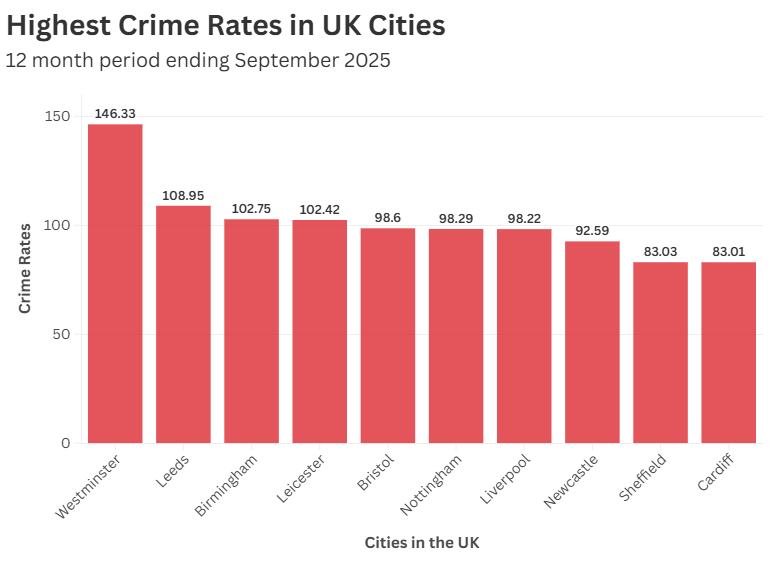
In a 12-month period ending September 2025, six cities have a higher crime rate than Liverpool.
In the summer of 2023, the Rugby Football League (RFL) granted just over £1million in funds for their Educating Mentoring Programme across regions in the north – including St Helens and Leigh.
Their programme was a 12-week initiative targeted at ‘at risk’ 11–14-year-olds with a focus on ‘building core personal skills’ and improving children’s awareness of ‘risky behaviours’ and ‘positive choices’.
Talking on the Merseyside-based initiatives, Superintendent Phil Mullally said: “We know that enforcement alone isn’t enough to tackle the root causes of violence and antisocial behaviour.
“That’s why we’re investing in prevention, working with trusted community partners to engage young people, support families, and create safer spaces. These projects are a vital part of our strategy to reduce harm and build stronger, more resilient communities.”